Domain gesamtgewicht.de kaufen?
Wir ziehen mit dem Projekt
gesamtgewicht.de um.
Sind Sie am Kauf der Domain
gesamtgewicht.de interessiert?
domain@kv-gmbh.de · 0541-91531010
Domain gesamtgewicht.de kaufen?
Wann benutzt man im Englischen 'to be supposed to' und wann 'to be expected to'?
Im Englischen benutzt man "to be supposed to", um auszudrücken, was von jemandem erwartet wird oder was er tun sollte, basierend auf Regeln, Vereinbarungen oder Erwartungen. "To be expected to" wird verwendet, um auszudrücken, was wahrscheinlich oder erwartet wird, dass jemand tut, basierend auf der Situation oder den Umständen. Beide Ausdrücke beziehen sich auf Erwartungen, aber "to be supposed to" bezieht sich mehr auf externe Regeln oder Vereinbarungen, während "to be expected to" sich auf allgemeine Erwartungen oder Vorhersagen bezieht. **
Wie bildet man das Present Progressive bei "to be able to" und "to be allowed to"?
Um das Present Progressive bei "to be able to" zu bilden, verwendet man die entsprechende Form von "to be" (am, is, are) im Present Progressive und fügt dann "able to" hinzu. Zum Beispiel: "I am able to swim" oder "She is able to speak French". Bei "to be allowed to" bildet man das Present Progressive ebenfalls mit der entsprechenden Form von "to be" (am, is, are) im Present Progressive und fügt dann "allowed to" hinzu. Zum Beispiel: "We are allowed to park here" oder "He is allowed to stay out late". **

Ähnliche Suchbegriffe für To
Top-Angebote
Produkte zum Begriff To:
-
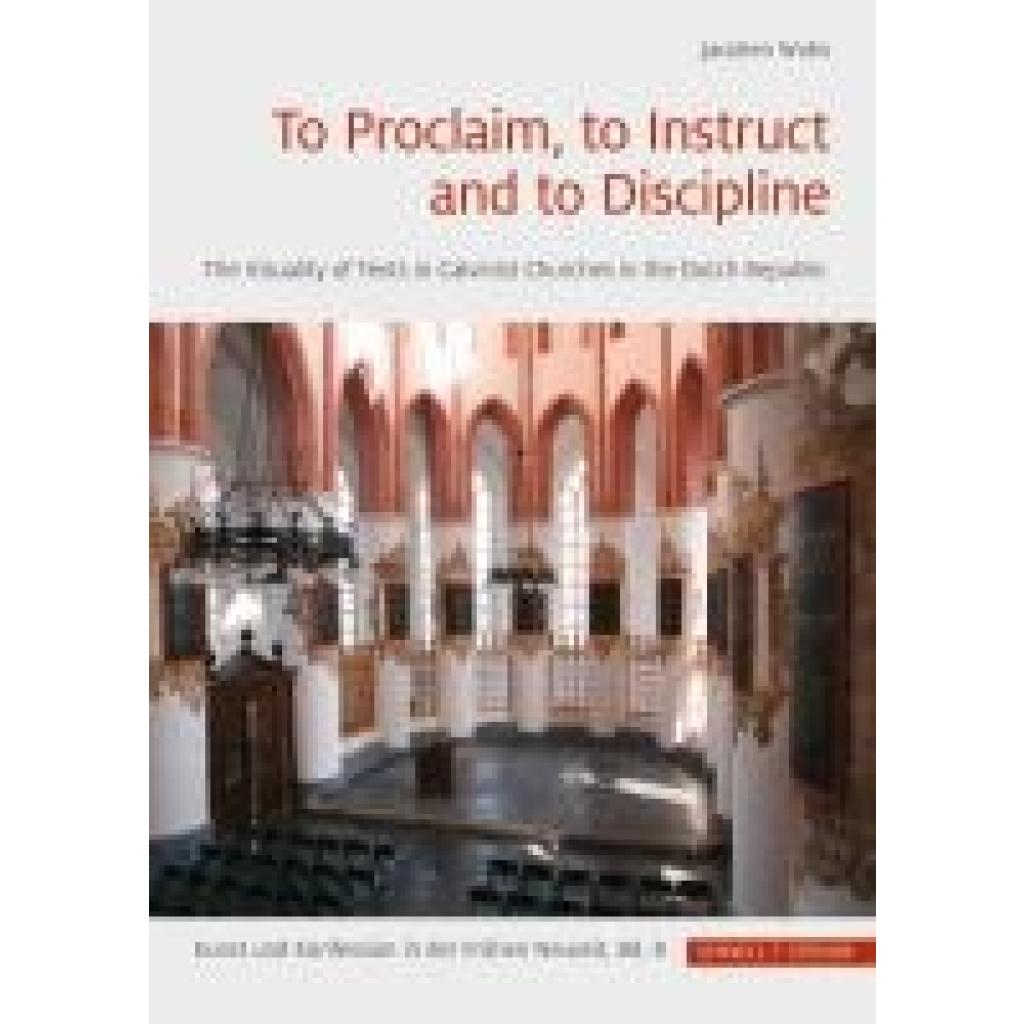
Wubs, Jacolien: To Proclaim, to Instruct and to DisciplineTo Proclaim, to Instruct and to Discipline , The Visuality of Texts in Calvinist Churches in the Dutch Republic , Drosselklappen > Kraftstoffversorgung , Erscheinungsjahr: 20241130, Produktform: Leinen, Titel der Reihe: Konfession in der Frühen Neuzeit#8#, Autoren: Wubs, Jacolien, Seitenzahl/Blattzahl: 384, Keyword: 16. Jahrhundert; 17. Jahrhundert; 18. Jahrhundert; Dänemark; Reformation; visual culture, Fachschema: Dänemark~Kunstgeschichte~Reformation - Reformationszeit - Reformationstag~Protestantismus~Christentum~Weltreligionen / Christentum~Kirche (Institution) / Freikirche~Benelux / Niederlande~Holland~Niederlande~Architektur / Sakrale Architekur, Fachkategorie: Kunst: allgemeine Themen~Kunstgeschichte~Europäische Geschichte: Reformation~Religiöse Aspekte~Architektur: Kirchen, Sakralbauten~Geschichte allgemein und Weltgeschichte, Warengruppe: HC/Religion/Theologie/Sonstiges, UNSPSC: 49019900, Warenverzeichnis für die Außenhandelsstatistik: 49019900, Länge: 240, Breite: 170, Höhe: 25, Gewicht: 1556, Produktform: Gebunden, Genre: Geisteswissenschaften/Kunst/Musik,50,00 €*Versand: 0,00 €Sichere Weiterleitung zum Anbieter
-
PUPA Milano Made To Last Waterproof Eyeshadow Made To LasPupa Milano Made To Last Waterproof Eyeshadow 1.40g. - 041 Icy Blue. Achieve flawless, long-lasting eye makeup with Pupa Milano Made To Last Waterproof Eyeshadow 041 Icy Blue. This innovative, waterproof eyeshadow gives your eyes a fresh and radiant look with a beautiful, icy blue shade that stays in place all day, no matter what you encounter. Thanks to its advanced formula, this eyeshadow is both waterproof and sweat-resistant, so your makeup stays intact in all conditions - from sunny days to rainy evenings. You can trust that your makeup will last all day without crumbling or fading. The creamy formula glides easily on the skin and creates a smooth and flawless finish. The silky texture makes it easy to build intensity, while giving you a natural and beautiful result. The shade 041 Icy Blue gives a sophisticated and fresh look with a beautiful, icy blue tone that highlights your eyes and gives a cool, modern look. Perfect for both day and evening wear, whether you want a subtle look or a more dramatic effect. - Waterproof and long-lasting - Stays in place all day without creasing or smudging. - Creamy and light texture - Glides easily on the skin and gives a smooth finish. - Intense blue color - Highlights the eyes with a beautiful icy blue hue. - Practical stick shape - Easy to apply and perfect for travel or touch-ups on the go. With Pupa Milano Made To Last Waterproof Eyeshadow 041 Icy Blue you can create a fresh, radiant look that lasts all day. Perfect for those looking for a long-lasting and intensive eyeshadow with a light and comfortable texture.14,30 €*Versand: 5,99 €Sichere Weiterleitung zum Anbieter



-
Wann soll ich 'able to', 'allowed to' und 'have to' verwenden?
Du solltest "able to" verwenden, wenn du die Fähigkeit oder Möglichkeit hast, etwas zu tun. "Allowed to" wird benutzt, um zu beschreiben, dass du die Erlaubnis hast, etwas zu tun. "Have to" wird verwendet, um auszudrücken, dass du verpflichtet bist, etwas zu tun, also keine Wahl hast. **
-
Wann benutzt man "not to be supposed to" und wann benutzt man "not to be expected to"?
"not to be supposed to" wird verwendet, um auszudrücken, dass etwas nicht erwartet oder erlaubt ist, basierend auf Regeln, Normen oder Erwartungen. Zum Beispiel: "Kinder sind nicht dazu bestimmt, bis spät in die Nacht aufzubleiben." "not to be expected to" wird verwendet, um auszudrücken, dass etwas nicht erwartet wird, basierend auf den Fähigkeiten oder Möglichkeiten einer Person. Zum Beispiel: "Er ist nicht dazu erwartet, alleine eine komplexe Aufgabe zu lösen." **
-
Wie kann man die Kilogramm-Masse eines Objekts bestimmen, ohne eine Waage zu verwenden?
Man kann die Masse eines Objekts durch Vergleich mit einem bekannten Referenzgewicht schätzen. Zum Beispiel kann man ein Objekt in der Hand halten und vergleichen, ob es sich ähnlich schwer oder leicht anfühlt wie ein bekanntes Gewicht. Man kann auch die Schwingungsdauer eines Pendels messen, da diese von der Masse des Objekts abhängt. **
-
Warum wird To Love-Ru To Love-Ru genannt? - Warum wird To Love-Ru als To Love-Ru bezeichnet?
To Love-Ru wird als To Love-Ru bezeichnet, weil dies der Titel des Manga und des Anime ist. Der Name "To Love-Ru" stammt von der Hauptfigur Lala Satalin Deviluke, die aus dem Planeten Deviluke stammt. In der Geschichte geht es um Liebe und Romantik, daher passt der Titel "To Love-Ru" gut zu dem Inhalt der Serie. **


Wann benutzt man im Englischen "need to", "got to" und "have to" für "muss" im Deutschen?
Im Englischen werden "need to", "got to" und "have to" alle verwendet, um "muss" im Deutschen auszudrücken. "Need to" wird verwendet, um eine Notwendigkeit oder Verpflichtung auszudrücken. "Got to" wird umgangssprachlich verwendet, um eine starke Verpflichtung oder Dringlichkeit auszudrücken. "Have to" wird verwendet, um eine allgemeine Verpflichtung oder Notwendigkeit auszudrücken. **
Was ist der Unterschied zwischen able to und allowed to?
Der Unterschied zwischen "able to" und "allowed to" liegt in der Bedeutung und Verwendung der beiden Ausdrücke. "Able to" bezieht sich darauf, ob man physisch oder mental in der Lage ist, etwas zu tun. Es zeigt an, dass man die Fähigkeit oder die Möglichkeit hat, eine bestimmte Handlung auszuführen. "Allowed to" hingegen bezieht sich darauf, ob man die Erlaubnis oder Genehmigung hat, etwas zu tun. Es zeigt an, dass man die Zustimmung oder Erlaubnis einer Autoritätsperson erhalten hat, um eine bestimmte Handlung auszuführen. Insgesamt kann man sagen, dass "able to" sich auf die Fähigkeit bezieht, während "allowed to" sich auf die Erlaubnis bezieht. **
Top-Angebote
Produkte zum Begriff To:
-
Wubs, Jacolien: To Proclaim, to Instruct and to DisciplineTo Proclaim, to Instruct and to Discipline , The Visuality of Texts in Calvinist Churches in the Dutch Republic , Drosselklappen > Kraftstoffversorgung , Erscheinungsjahr: 20241130, Produktform: Leinen, Titel der Reihe: Konfession in der Frühen Neuzeit#8#, Autoren: Wubs, Jacolien, Seitenzahl/Blattzahl: 384, Keyword: 16. Jahrhundert; 17. Jahrhundert; 18. Jahrhundert; Dänemark; Reformation; visual culture, Fachschema: Dänemark~Kunstgeschichte~Reformation - Reformationszeit - Reformationstag~Protestantismus~Christentum~Weltreligionen / Christentum~Kirche (Institution) / Freikirche~Benelux / Niederlande~Holland~Niederlande~Architektur / Sakrale Architekur, Fachkategorie: Kunst: allgemeine Themen~Kunstgeschichte~Europäische Geschichte: Reformation~Religiöse Aspekte~Architektur: Kirchen, Sakralbauten~Geschichte allgemein und Weltgeschichte, Warengruppe: HC/Religion/Theologie/Sonstiges, UNSPSC: 49019900, Warenverzeichnis für die Außenhandelsstatistik: 49019900, Länge: 240, Breite: 170, Höhe: 25, Gewicht: 1556, Produktform: Gebunden, Genre: Geisteswissenschaften/Kunst/Musik,50,00 €*Versand: 0,00 €Sichere Weiterleitung zum Anbieter
-
Wann benutzt man im Englischen 'to be supposed to' und wann 'to be expected to'?
Im Englischen benutzt man "to be supposed to", um auszudrücken, was von jemandem erwartet wird oder was er tun sollte, basierend auf Regeln, Vereinbarungen oder Erwartungen. "To be expected to" wird verwendet, um auszudrücken, was wahrscheinlich oder erwartet wird, dass jemand tut, basierend auf der Situation oder den Umständen. Beide Ausdrücke beziehen sich auf Erwartungen, aber "to be supposed to" bezieht sich mehr auf externe Regeln oder Vereinbarungen, während "to be expected to" sich auf allgemeine Erwartungen oder Vorhersagen bezieht. **
-
Wie bildet man das Present Progressive bei "to be able to" und "to be allowed to"?
Um das Present Progressive bei "to be able to" zu bilden, verwendet man die entsprechende Form von "to be" (am, is, are) im Present Progressive und fügt dann "able to" hinzu. Zum Beispiel: "I am able to swim" oder "She is able to speak French". Bei "to be allowed to" bildet man das Present Progressive ebenfalls mit der entsprechenden Form von "to be" (am, is, are) im Present Progressive und fügt dann "allowed to" hinzu. Zum Beispiel: "We are allowed to park here" oder "He is allowed to stay out late". **
-
Wann soll ich 'able to', 'allowed to' und 'have to' verwenden?
Du solltest "able to" verwenden, wenn du die Fähigkeit oder Möglichkeit hast, etwas zu tun. "Allowed to" wird benutzt, um zu beschreiben, dass du die Erlaubnis hast, etwas zu tun. "Have to" wird verwendet, um auszudrücken, dass du verpflichtet bist, etwas zu tun, also keine Wahl hast. **
-
Wann benutzt man "not to be supposed to" und wann benutzt man "not to be expected to"?
"not to be supposed to" wird verwendet, um auszudrücken, dass etwas nicht erwartet oder erlaubt ist, basierend auf Regeln, Normen oder Erwartungen. Zum Beispiel: "Kinder sind nicht dazu bestimmt, bis spät in die Nacht aufzubleiben." "not to be expected to" wird verwendet, um auszudrücken, dass etwas nicht erwartet wird, basierend auf den Fähigkeiten oder Möglichkeiten einer Person. Zum Beispiel: "Er ist nicht dazu erwartet, alleine eine komplexe Aufgabe zu lösen." **
Ähnliche Suchbegriffe für To
-
PUPA Milano Made To Last Waterproof Eyeshadow Made To LasPupa Milano Made To Last Waterproof Eyeshadow 1.40g. - 041 Icy Blue. Achieve flawless, long-lasting eye makeup with Pupa Milano Made To Last Waterproof Eyeshadow 041 Icy Blue. This innovative, waterproof eyeshadow gives your eyes a fresh and radiant look with a beautiful, icy blue shade that stays in place all day, no matter what you encounter. Thanks to its advanced formula, this eyeshadow is both waterproof and sweat-resistant, so your makeup stays intact in all conditions - from sunny days to rainy evenings. You can trust that your makeup will last all day without crumbling or fading. The creamy formula glides easily on the skin and creates a smooth and flawless finish. The silky texture makes it easy to build intensity, while giving you a natural and beautiful result. The shade 041 Icy Blue gives a sophisticated and fresh look with a beautiful, icy blue tone that highlights your eyes and gives a cool, modern look. Perfect for both day and evening wear, whether you want a subtle look or a more dramatic effect. - Waterproof and long-lasting - Stays in place all day without creasing or smudging. - Creamy and light texture - Glides easily on the skin and gives a smooth finish. - Intense blue color - Highlights the eyes with a beautiful icy blue hue. - Practical stick shape - Easy to apply and perfect for travel or touch-ups on the go. With Pupa Milano Made To Last Waterproof Eyeshadow 041 Icy Blue you can create a fresh, radiant look that lasts all day. Perfect for those looking for a long-lasting and intensive eyeshadow with a light and comfortable texture.14,30 €*Versand: 5,99 €Sichere Weiterleitung zum Anbieter
-
PUPA Milano Pupa Made To Last Waterproof Eyeshadow Made To LasPupa Milano Made To Last Waterproof Eyeshadow 1.4g. - 038 Golden Platinum. Add a touch of luxury to your eye makeup with Pupa Milano Made To Last Waterproof Eyeshadow 038 Golden Platinum. This stunning eyeshadow combines an intense, metallic finish with long-lasting durability that won't smudge or fade - perfect for both day and night wear. This eyeshadow is formulated to be both waterproof and sweat-resistant, so it lasts all day and night - whether you're out in the rain or on the go. Perfect for those in a hurry or for special occasions when you need a reliable makeup look. With its beautiful, golden platinum color, this eyeshadow adds a sophisticated and sparkling look to the eyes. The luxurious, metallic finish catches the light and gives your eyes depth and intensity, making them an eye-catching element of your makeup. The practical stick shape makes application simple and precise. The eyeshadow glides easily on the eyelid and provides an even color that is easy to build. Use it as a single color for an elegant look or combine with other shades for a more dramatic effect. This eyeshadow is ophthalmologically tested and suitable for use on even the most sensitive eyes. It is also safe to use if you wear contact lenses, making it ideal for everyone. - Waterproof and long-lasting - Keep shining all day without worrying about smudging. - Metallic golden shade - Provides a radiant and luxurious finish. - Easy to apply - The practical stick shape ensures precise and flawless application. - Ophthalmologically tested - Safe for sensitive eyes and contact lens wearers. With Pupa Milano Made To Last Waterproof Eyeshadow 038 Golden Platinum you get a sophisticated, long-lasting eyeshadow that adds glamour to any occasion. Whether you want a subtle shimmer or an intense metallic finish, this eyeshadow is the perfect choice.14,30 €*Versand: 5,99 €Sichere Weiterleitung zum Anbieter
-
Wie kann man die Kilogramm-Masse eines Objekts bestimmen, ohne eine Waage zu verwenden?
Man kann die Masse eines Objekts durch Vergleich mit einem bekannten Referenzgewicht schätzen. Zum Beispiel kann man ein Objekt in der Hand halten und vergleichen, ob es sich ähnlich schwer oder leicht anfühlt wie ein bekanntes Gewicht. Man kann auch die Schwingungsdauer eines Pendels messen, da diese von der Masse des Objekts abhängt. **
-
Warum wird To Love-Ru To Love-Ru genannt? - Warum wird To Love-Ru als To Love-Ru bezeichnet?
To Love-Ru wird als To Love-Ru bezeichnet, weil dies der Titel des Manga und des Anime ist. Der Name "To Love-Ru" stammt von der Hauptfigur Lala Satalin Deviluke, die aus dem Planeten Deviluke stammt. In der Geschichte geht es um Liebe und Romantik, daher passt der Titel "To Love-Ru" gut zu dem Inhalt der Serie. **
-
Wann benutzt man im Englischen "need to", "got to" und "have to" für "muss" im Deutschen?
Im Englischen werden "need to", "got to" und "have to" alle verwendet, um "muss" im Deutschen auszudrücken. "Need to" wird verwendet, um eine Notwendigkeit oder Verpflichtung auszudrücken. "Got to" wird umgangssprachlich verwendet, um eine starke Verpflichtung oder Dringlichkeit auszudrücken. "Have to" wird verwendet, um eine allgemeine Verpflichtung oder Notwendigkeit auszudrücken. **
-
Was ist der Unterschied zwischen able to und allowed to?
Der Unterschied zwischen "able to" und "allowed to" liegt in der Bedeutung und Verwendung der beiden Ausdrücke. "Able to" bezieht sich darauf, ob man physisch oder mental in der Lage ist, etwas zu tun. Es zeigt an, dass man die Fähigkeit oder die Möglichkeit hat, eine bestimmte Handlung auszuführen. "Allowed to" hingegen bezieht sich darauf, ob man die Erlaubnis oder Genehmigung hat, etwas zu tun. Es zeigt an, dass man die Zustimmung oder Erlaubnis einer Autoritätsperson erhalten hat, um eine bestimmte Handlung auszuführen. Insgesamt kann man sagen, dass "able to" sich auf die Fähigkeit bezieht, während "allowed to" sich auf die Erlaubnis bezieht. **
* Alle Preise verstehen sich inklusive der gesetzlichen Mehrwertsteuer und ggf. zuzüglich Versandkosten. Die Angebotsinformationen basieren auf den Angaben des jeweiligen Shops und werden über automatisierte Prozesse aktualisiert. Eine Aktualisierung in Echtzeit findet nicht statt, so dass es im Einzelfall zu Abweichungen kommen kann. ** Hinweis: Teile dieses Inhalts wurden von KI erstellt.